PVB vs dairy Vs spreads

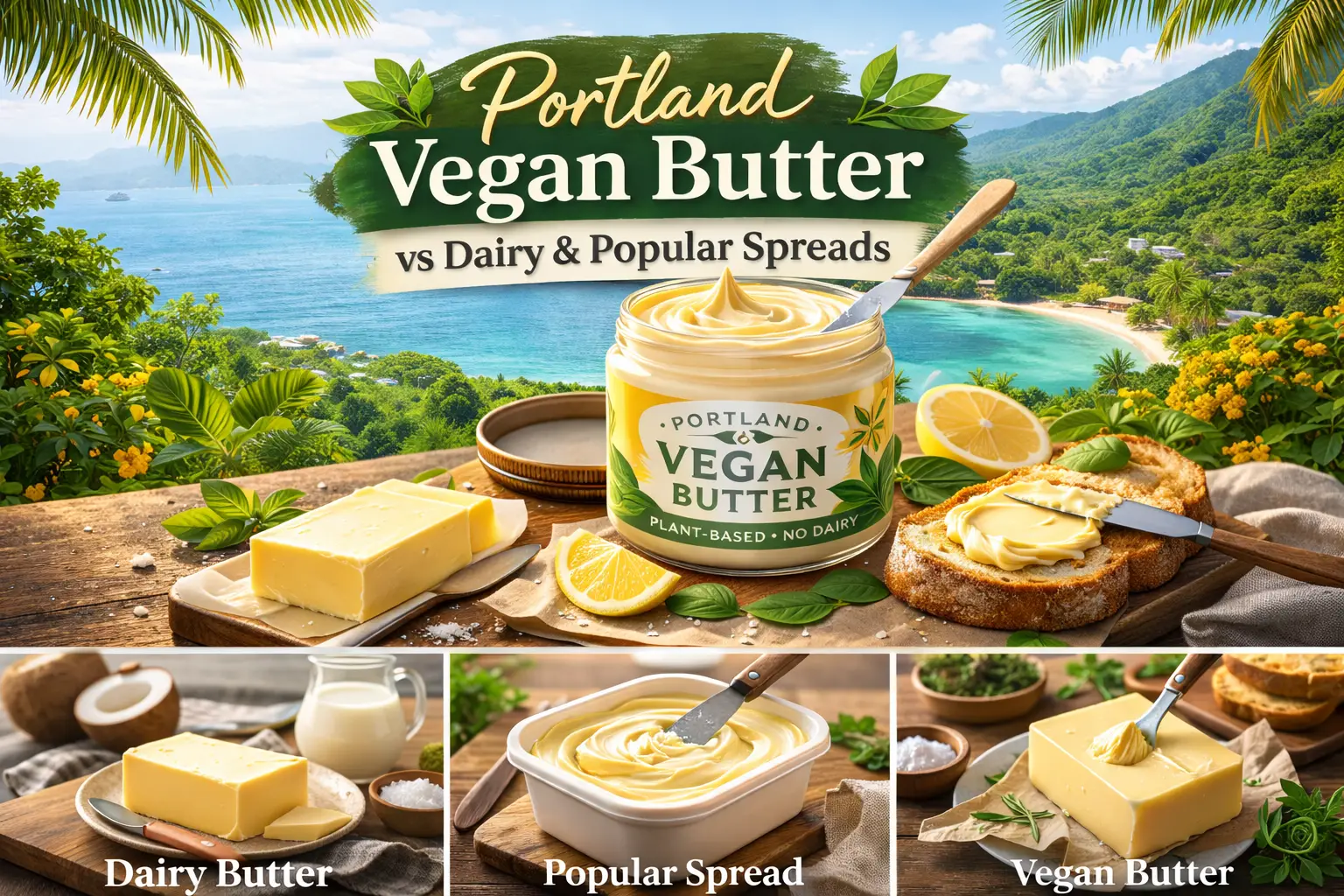
Portland Vegan Butter vs. Dairy Butter & Popular Spreads

Butter comparison

Portland Vegan Butter vs Dairy Butter vs Popular Spreads

“Butter” means different things to different people: traditional dairy butter, oil-based spreads, or plant-based options. Each is made with different processing goals. We compare common ingredient patterns, especially additives, so you can find the best option for your preferences.

What “common additives” usually mean

Traditional dairy butter is often just cream (and sometimes salt).
Many spreads and some vegan butters are typically oil + water emulsions, which often use
emulsifiers and stabilizers to maintain texture and shelf life.

ProductBase / fatsCommon additives Trade-offsNotes
⭐ Portland Vegan Butter

Portland Vegan Butter

Plant-based butter (handcrafted).  No dairy, no seed, no nut oil, and no preservatives.

Positioned as clean-label.
Many “clean” butters aim to avoid:

  • Lemon
  • Soy
  • Coconut
  • olive oil
  • Salt (or Salt Free)
Small-batch can be more premium-priced and may sell out faster than mass brands.Flavor-first profile (lightly herbal, citrus-fresh). Made to feel like “butter,” not a neutral oil spread.
Dairy butterCream (often cream + salt).
  • Salt
  • Starter cultures (cultured butter)
  • Annatto or beta-carotene (color, some brands)
  • “Natural flavor”
Not vegan; dairy allergen. High saturated fat; may raise LDL for some people.Classic dairy taste and performance; often a short ingredient list.
I Can’t Believe It’s Not ButterWater + plant oil blend (varies by version).

Common in “buttery spreads”:

  • Emulsifiers (lecithin, mono- & diglycerides)
  • Buttery flavoring
  • Acids (citric acid, lactic acid)
  • Added vitamins (varies)
  • Color (beta-carotene)
More processed; often includes oils/additives some shoppers avoid.Convenient and widely available; more “spread” than “butter” texture.
Processed vegan “plant butter”Plant oils + water (varies by brand).

Often includes:

  • Stabilizers/thickeners (xanthan, guar, modified starch)
  • Emulsifiers (lecithin, mono- & diglycerides)
  • “Natural flavors”
  • Acids (citric/lactic)
  • Freshness protectors/preservatives in some (EDTA, potassium sorbate)
  • Color (beta-carotene/annatto)
Ingredient list can be long; optimized for stability and shelf life.Very consistent; often the most “engineered” ingredient profile in the vegan category.
Premium “cleaner-label” vegan butterPlant fats (often coconut and/or other plant oils; some are cultured).

Typically fewer, but varies:

  • Cultures/ferments (cultured styles)
  • “Natural flavors” 
  • Lecithin (sometimes)
  • Color (beta-carotene/annatto)
  • Gums/starches (sometimes)
Often higher price; check allergens (some include nuts) and oil types.Often closer to a “butter experience,” but brand-to-brand differences are big.

Why Portland Vegan Butter is the upgrade

1) Vegan by design
No dairy, no animal products, made for plant-forward kitchens.
2) No seed or nut oil (per your site)
Many spreads rely on common oils; PVB positions itself differently.
3) Built for real cooking
Designed for cooking, baking, and finishing, not just toast duty.
4) Flavor with personality
A lightly herbal, citrus-fresh note instead of a neutral “oil spread”.

Label
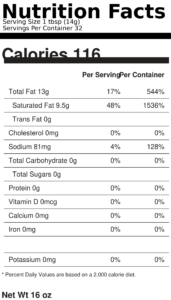
Portland_Butter_FDA_16oz_Label_

 
0
    0
    Your Cart
    Your cart is emptyReturn to Shop