Jamaican Coco Bread Recipe (with PVB)

Soft and Iconic Jamaican Bread
Jamaican coco bread is a beloved part of Jamaican food culture, recognized for its soft, tender texture, slightly rich flavor, and distinctive folded shape. It’s a bakery staple enjoyed in many ways, whether as a snack, a side dish, or part of a larger meal. It’s especially famous when paired with Jamaican patties. Warm, lightly buttery, and comforting, coco bread may seem simple at first, but its softness and versatility make it truly memorable.
For many people, coco bread instantly conjures images of Jamaican bakeries, lunch counters, and comforting everyday meals. Its familiar, soothing texture makes it enjoyable to eat on its own, yet it pairs wonderfully with savory fillings and side dishes. The perfect blend of softness, structure, and subtle richness makes it a beloved staple in Jamaican kitchens and food shops.
A Bakery Classic with Deep Cultural Roots
Coco bread holds a special place in Jamaican cuisine because it’s both practical and comforting. Often enjoyed as a quick, on-the-go snack, it's commonly split open to hold a Jamaican patty. Its everyday usefulness has helped it become one of the most beloved breads in Jamaican bakery culture, appreciated for both convenience and deliciousness.
Its popularity also stems from its approachability. Even those unfamiliar with Jamaican cuisine can quickly see why coco bread is so beloved. It’s soft, warm, slightly rich, and pairs easily with a variety of foods, giving it broad appeal beyond Jamaica. At the same time, its folded shape and tender texture set it apart from plain dinner rolls, giving it a uniquely Jamaican identity.
The Texture and Flavor That Make It Unique
A good Jamaican coco bread should be soft and fluffy with a tender bite and a lightly rich finish. It should not be dense or dry. Instead, it should feel airy enough to tear easily while still providing enough structure to hold together when filled. This texture is one of the reasons people keep returning to it, especially when served warm.
The flavor is usually mild, allowing the bread to be enjoyed in various ways. On its own, it should have a pleasant, slightly rich taste that is satisfying without being heavy. When paired with patties, savory fillings, or breakfast items, it should complement the main flavors without overpowering them. That balance is what makes coco bread such a reliable and versatile part of Jamaican food culture.
Why Portland Vegan Butter Works Naturally in This Recipe
Portland Vegan Butter naturally complements Jamaican coco bread. Adding a butter element helps achieve the tender crumb and soft finish that people love, and using PVB offers a plant-based option to support that texture while making the recipe approachable for a wider range of eaters.
A Versatile Bread for Everyday Meals
A Strong Addition to a Jamaican Recipe Collection
Including Jamaican coco bread in your recipe collection adds an important bakery-style element that helps round out the broader picture of Jamaican food. It brings in a different kind of comfort than a rice dish, a porridge, or a fried side. That variety gives your recipe library more depth and makes it feel more complete.
Soft, fluffy, and lightly rich, this Jamaican coco bread recipe with Portland Vegan Butter is a bakery-style favorite that pairs perfectly with patties, savory fillings, or warm meals.
- 3 cups all-purpose flour
- 2 tablespoons sugar
- 2 teaspoons instant yeast
- 1 teaspoon salt
- 1 cup coconut milk warm
- 2 tablespoons neutral oil
- 2 tablespoons Portland Vegan Butter melted (plus more for brushing)
- 1/4 cup warm water (as needed)
- 1 Activate the Yeast
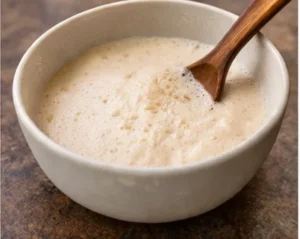
Activate the Dough: Combine flour, sugar, yeast, and salt, then add warm coconut milk, oil, and melted Portland Vegan Butter.
- 2
Knead the Dough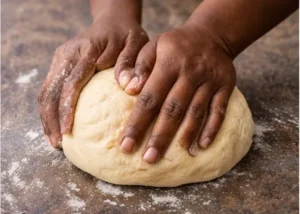
Knead Until Smooth: Knead until a smooth elastic dough forms, adding a little warm water only if needed.
- 3
Let the Dough Rise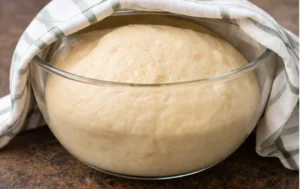
First Rise: Cover and let rise until doubled, about 45 to 60 minutes.
- 4
Shape the Coco Bread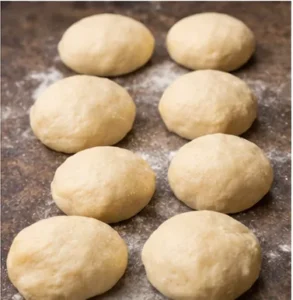
Shape the Portions: Divide into pieces, roll into rounds, and lightly brush with vegan butter.
- 5
Fold and Rise Again
Fold and Second Rise: Fold rounds into half-moons and let rest briefly so they puff slightly.
- 6
Bake the Coco Bread
Bake: Bake until lightly golden and cooked through.
- 7
Brush and Serve
Brush and Serve: Brush warm coco bread with Portland Vegan Butter and serve..
NoteNutrition: For reliable nutrition values, run the WP Delicious auto nutrition calculator after import (it calculates based on the final ingredient list). For the softest bread, brush with Portland Vegan Butter while still warm and cover lightly as it cools.
jamaican coco bread, coco bread recipe, coconut bread - 2